A Buyer’s Guide To Homes In Doylestown Township
June 11, 2026
June 11, 2026
Wondering what it’s really like to buy a home in Doylestown Township? If you are searching for more space, an established suburban setting, and a location with everyday convenience, this township deserves a close look. The key is knowing how home types, lot sizes, utilities, and commuting patterns can vary from one area to the next. This guide will help you understand what to expect so you can search with more confidence. Let’s dive in.
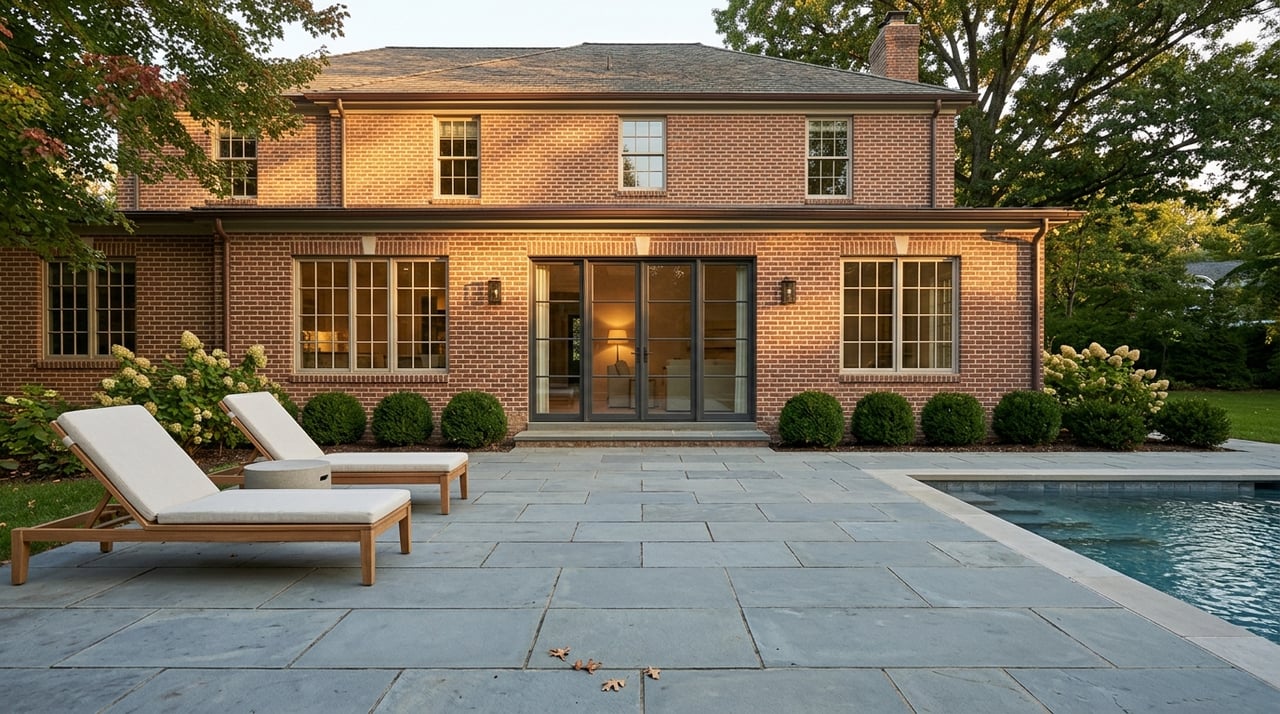
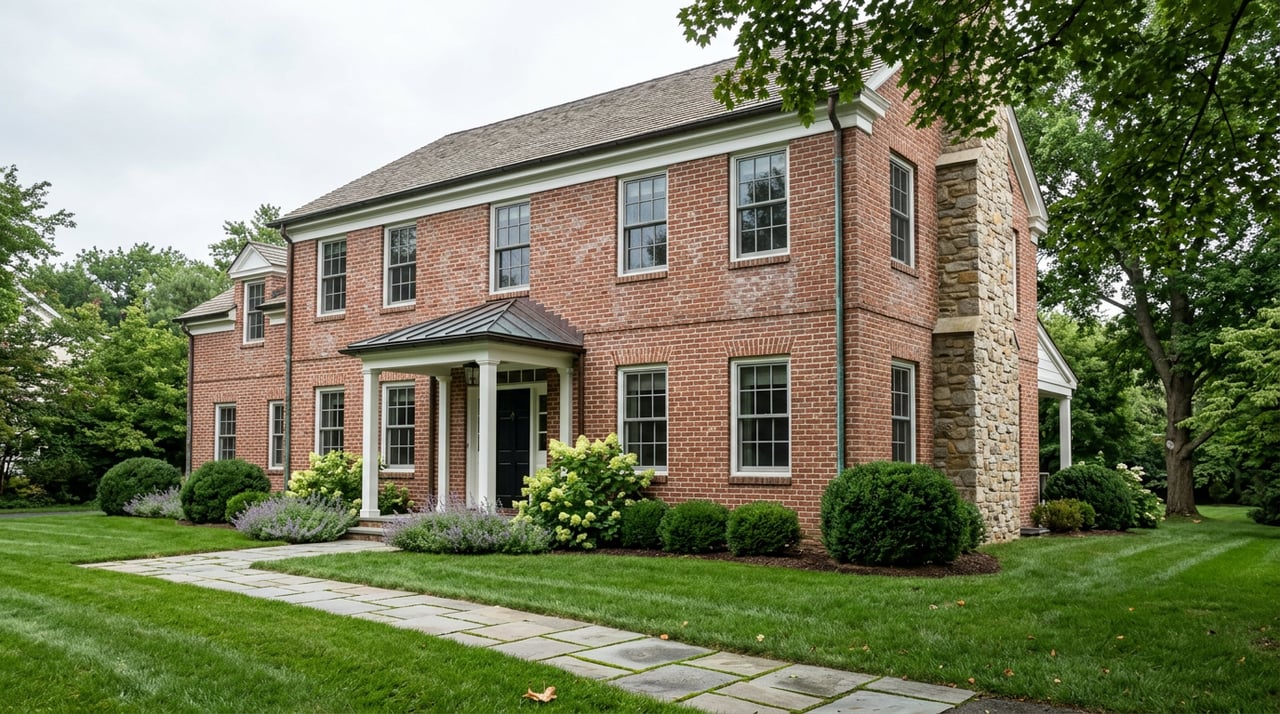
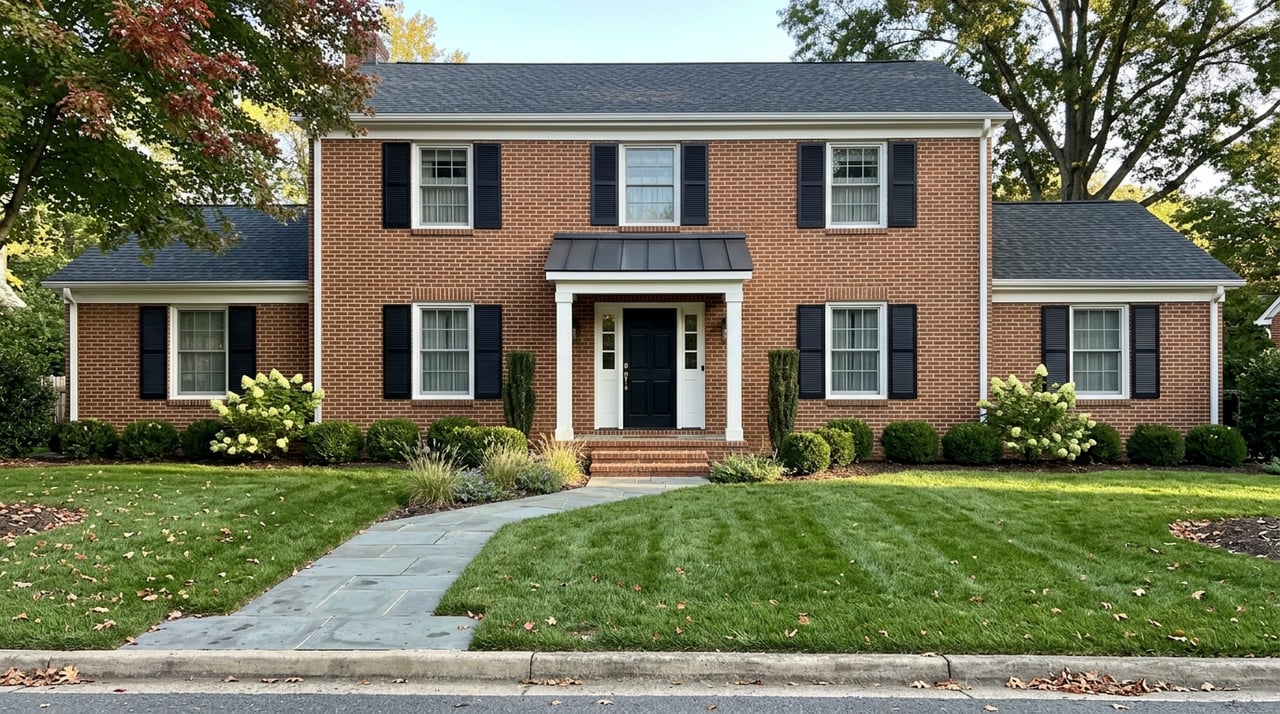
Doylestown Township is a suburban municipality in central Bucks County that surrounds Doylestown Borough on three sides, while remaining separate from the borough. Township planning materials describe it as an area with a high share of single-family homes on larger lots. That makes it a different experience from a dense apartment market or a community driven by constant new construction.
The housing profile also points to a well-established owner-occupied market. Recent Census data shows 6,848 housing units, about an 80% owner-occupied share, and a median owner-occupied home value in the upper $500,000s to low $600,000s depending on the source period. About 83% of housing units are single-unit structures, which reinforces the township’s detached-home character.
For you as a buyer, that often means a more settled feel and a housing stock made up largely of existing resale homes. You may find updated properties, homes that need cosmetic work, and some planned communities, but you should not expect a township-wide landscape of brand-new neighborhoods.
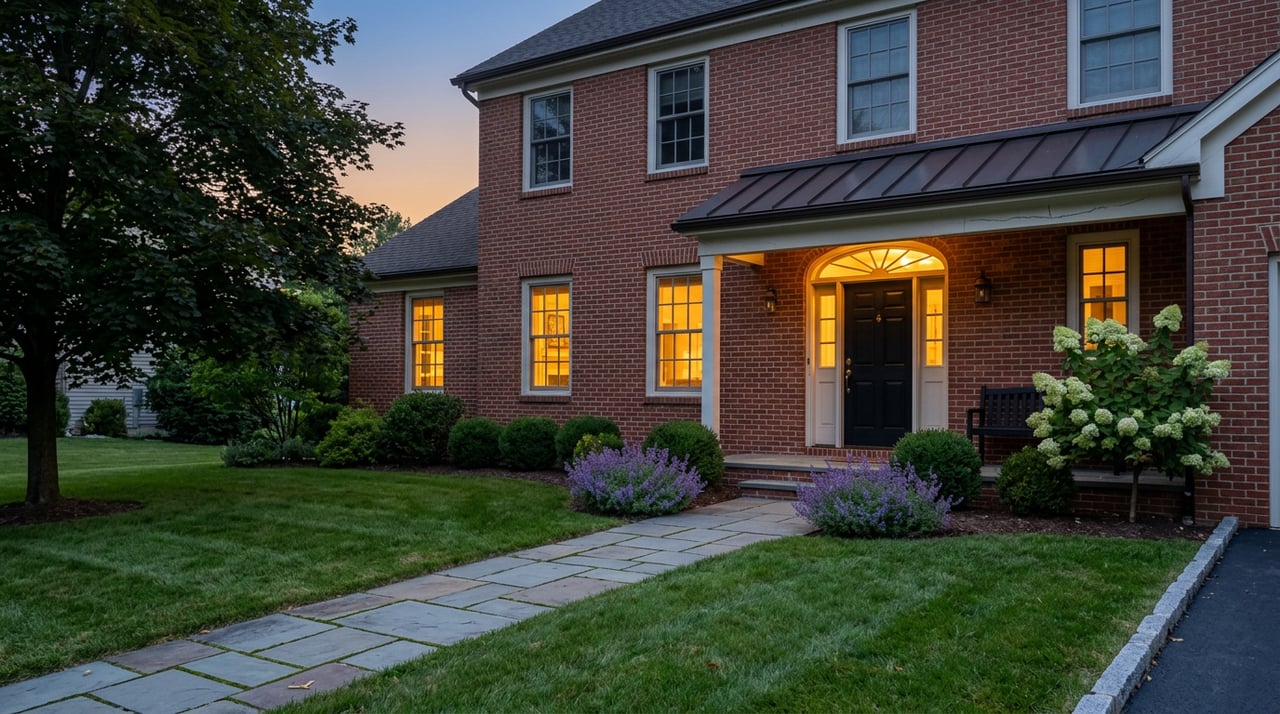
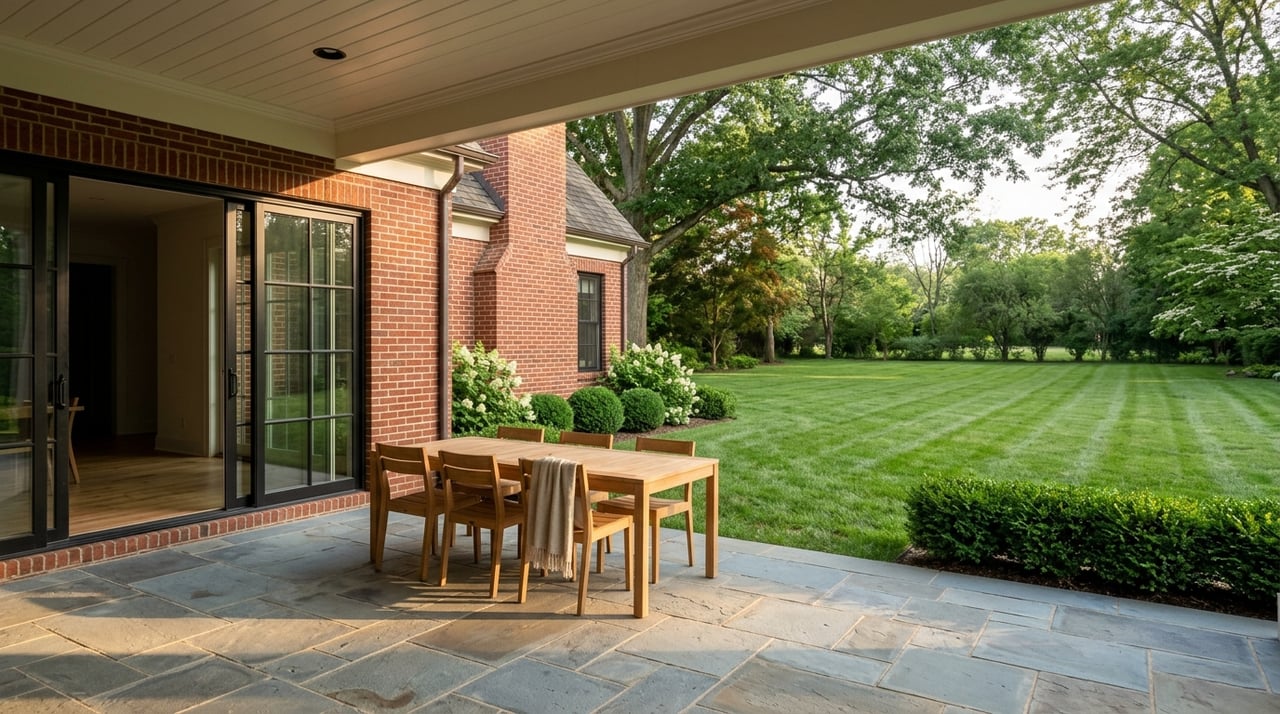
Doylestown Township offers a mix of housing options, but detached homes are the dominant pattern in lower-density residential areas. If your wish list includes more yard space, more privacy, or more distance from neighboring homes, the township has areas designed around that kind of layout.
At the same time, there are also places that allow more compact living. Townhomes, attached homes, and multifamily dwellings exist in higher-density districts, which can be worth exploring if you want less exterior maintenance or a different price point than a larger detached home.
In the township’s R-1 district, single-family detached homes require a minimum lot area of 40,000 square feet and a minimum lot width of 150 feet. In the R-1a district, detached homes require 2 acres and a 200-foot lot width, with some cluster and lot-averaging options allowed. The R-1a district is specifically intended for low-density single-family development and large-lot residential patterns.
That zoning framework matters because it shapes how different parts of the township feel. If you are prioritizing outdoor space, room for entertaining, or simply a more spread-out setting, those detached-home districts are especially relevant.
The township also includes districts that support more compact housing. In R-2, single-family attached homes and multifamily dwellings are permitted, with smaller minimum lot areas than detached-home districts. R-2b is written specifically for townhouse development in higher-density areas with public sewer and water.
For buyers who want convenience and less yard upkeep, these communities can be a practical fit. In some larger developments, homeowners associations are present, so it is smart to ask early about fees, rules, and what common areas or open space the association maintains.
One of the most important things to understand about Doylestown Township is that it is a mature market. Township planning materials say there is relatively little new development and that most residences expected to exist in 2050 are already in use today.
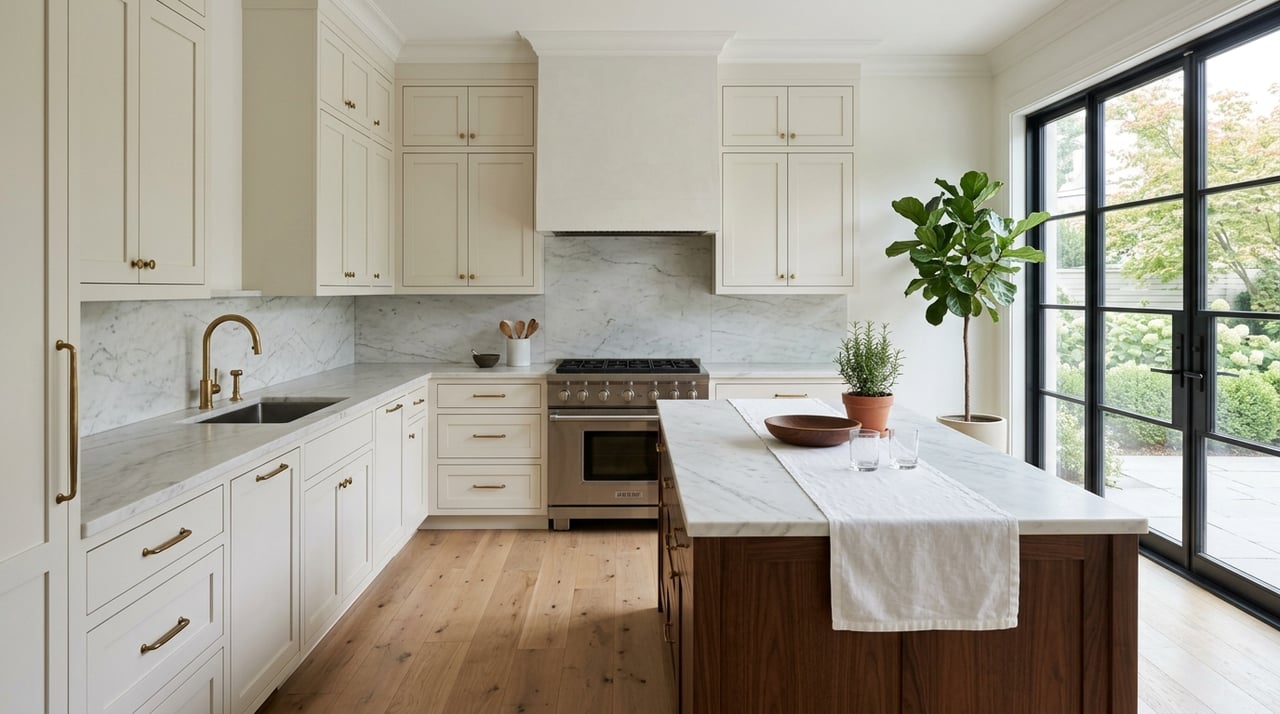
That does not mean every home is old or outdated. It does mean your search will likely include a wide mix of established properties, from well-maintained homes with tasteful updates to houses where major systems deserve a closer look.
When you tour homes, try to separate cosmetic appeal from system condition. A fresh kitchen or new paint can be attractive, but you also want to confirm the age and condition of the roof, HVAC, plumbing, electrical, and any well or septic components when applicable.
If commuting is part of your decision, Doylestown Township gives you several options, but it remains mostly car-oriented. Township data shows that 72.6% of households drive alone, and most households own two or more vehicles. Census data lists the mean travel time to work at 25.4 minutes.
For many buyers, that means a car will still be central to day-to-day life. Even so, rail, bus, and local shuttle options can add flexibility depending on where you live and where you need to go.
The main rail option is SEPTA’s Lansdale/Doylestown Line, with Doylestown Station located at 130 S. Clinton Street. SEPTA states that the line runs to and from Center City Philadelphia, and the station also connects with other services including Route 55 and TransBridge buses.
Route 55 serves the Doylestown and Willow Grove to Olney Transportation Center corridor. If your work or regular travel involves Philadelphia or connecting transit routes, this can be a useful feature to factor into your home search.
Doylestown Township also publishes information on the DART local shuttle. The township says DART costs $1 per person, is free for riders age 65 and older, and serves stops including ACME in Doylestown Shopping Center, Center Square Towers, Broad and Union, State and Main, The Metropolitan, Colonial Heritage, and Central Park.
For some buyers, especially those planning for easier day-to-day mobility, this service can be a helpful added convenience. Still, it is best to test your likely route and timing rather than assume transit will replace a car.
A big part of buying the right home is understanding how daily life will work once the move is over. In Doylestown Township, many routine errands naturally involve both township and borough destinations because of how closely the two areas connect.
Township planning materials describe the commercial base as mostly shopping centers, health care, car dealerships, and office buildings. That means your day-to-day needs are likely to be supported by practical suburban services rather than one single downtown-style district within the township itself.
Medical access is a notable advantage. Penn Medicine Doylestown Health lists Doylestown Hospital’s emergency department at 595 West State Street and Doylestown Health Urgent Care at 4259 West Swamp Road, Suite 108.
If access to health care is high on your priority list, that is an important part of the township’s convenience profile. It can be especially relevant for buyers thinking long term about ease, support, and nearby services.
Recreation is another major plus. Doylestown Township says it has more than 400 acres of dedicated parks and parkland, seven parks ranging from 6 to 140 acres, and more than 30 miles of trails.
The township also says the Community Recreation Center at Central Park offers year-round programs, fitness, and community events. If outdoor access and everyday recreation matter to you, these amenities are worth keeping in mind as you compare homes and neighborhoods.
In Doylestown Township, a smart home search goes beyond bedrooms and finishes. Some of the most important questions involve utilities, lot layout, and community structure.
Getting those details early can save time, avoid surprises, and help you compare homes more accurately.
The township says that more than half of its roughly 6,000 households rely on private wells. Homes may have public sewer or septic, and the township requires on-lot septic systems to be inspected every three years. It also requires private well water to be tested for coliform every three years when septic is present.
This is one of the first items you should verify when you are serious about a property. Utility setup can affect maintenance expectations, inspection needs, and your comfort level with long-term ownership.
If you are considering a townhome or a larger planned development, ask whether there is a homeowners association and what it covers. In some higher-density settings, open space and common areas may be maintained by the association.
You will want clear answers on fees, rules, exterior responsibilities, and any restrictions that could affect your lifestyle. This is especially important if you are choosing a home partly for its lower-maintenance appeal.
Do not rely on a neighborhood name alone to tell you how much space a property offers. The township’s zoning ranges from 40,000-square-foot detached lots in parts of R-1 to 2-acre detached lots in R-1a, while attached and multifamily options may sit on much smaller lots.
If yard size matters to you, compare actual lot dimensions and think about how the outdoor space functions. A larger lot on paper does not always mean the same thing in real life if slopes, setbacks, or layout limit usable space.
The most successful buyers in Doylestown Township usually start with clarity about lifestyle, not just square footage. You will make better decisions if you first define whether you want a larger detached home, a lower-maintenance townhome, easier access to services, or a commute-friendly location.
From there, focus on matching those goals to the township’s different housing patterns. A mature market like this rewards buyers who pay attention to lot size, utility details, system condition, and location convenience, not just listing photos.
Working with a local agent who understands the township’s housing mix can help you compare options with more confidence. In an established market, practical guidance often matters as much as the home itself.
If you are thinking about buying in Doylestown Township, Beth Scarpello can help you navigate the local market with clear advice, strong local insight, and steady guidance from search to closing.
With a results-driven mindset and personalized service, Beth ensures every client receives expert guidance and a seamless experience.